Crowmarsh Gifford faces Wallingford across the Thames, connected by the old bridge, and it is easy to think of it as an extension of the town rather than a village in its own right. Spend any time working here and that impression does not survive: the older part of the village around The Street and Preston Crowmarsh has flint and brick cottages, a handful of timber-framed buildings and gardens that back onto water meadows, while the newer development towards the A4074 and the bypass has a completely different character, built for commuting rather than farming.
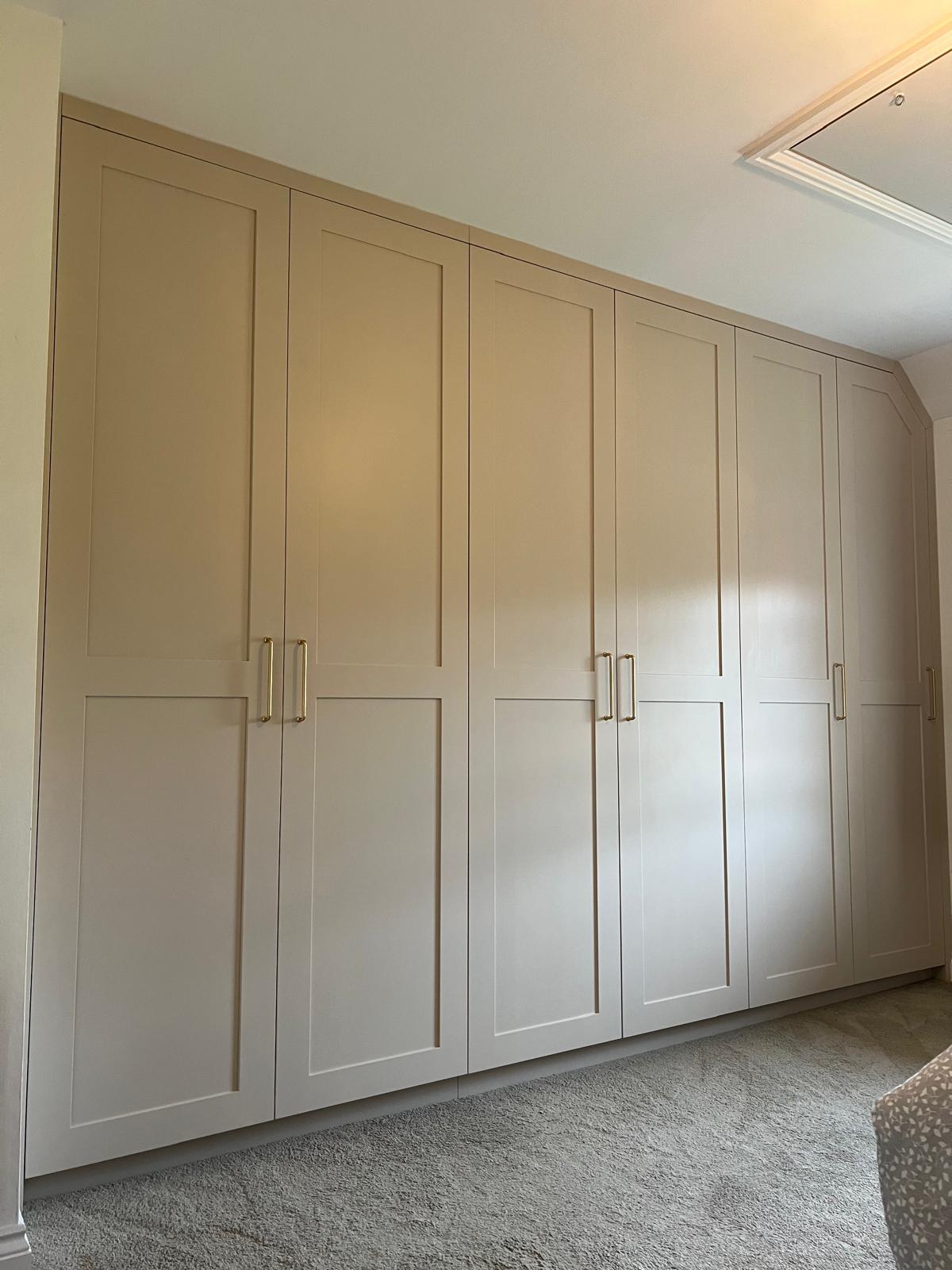
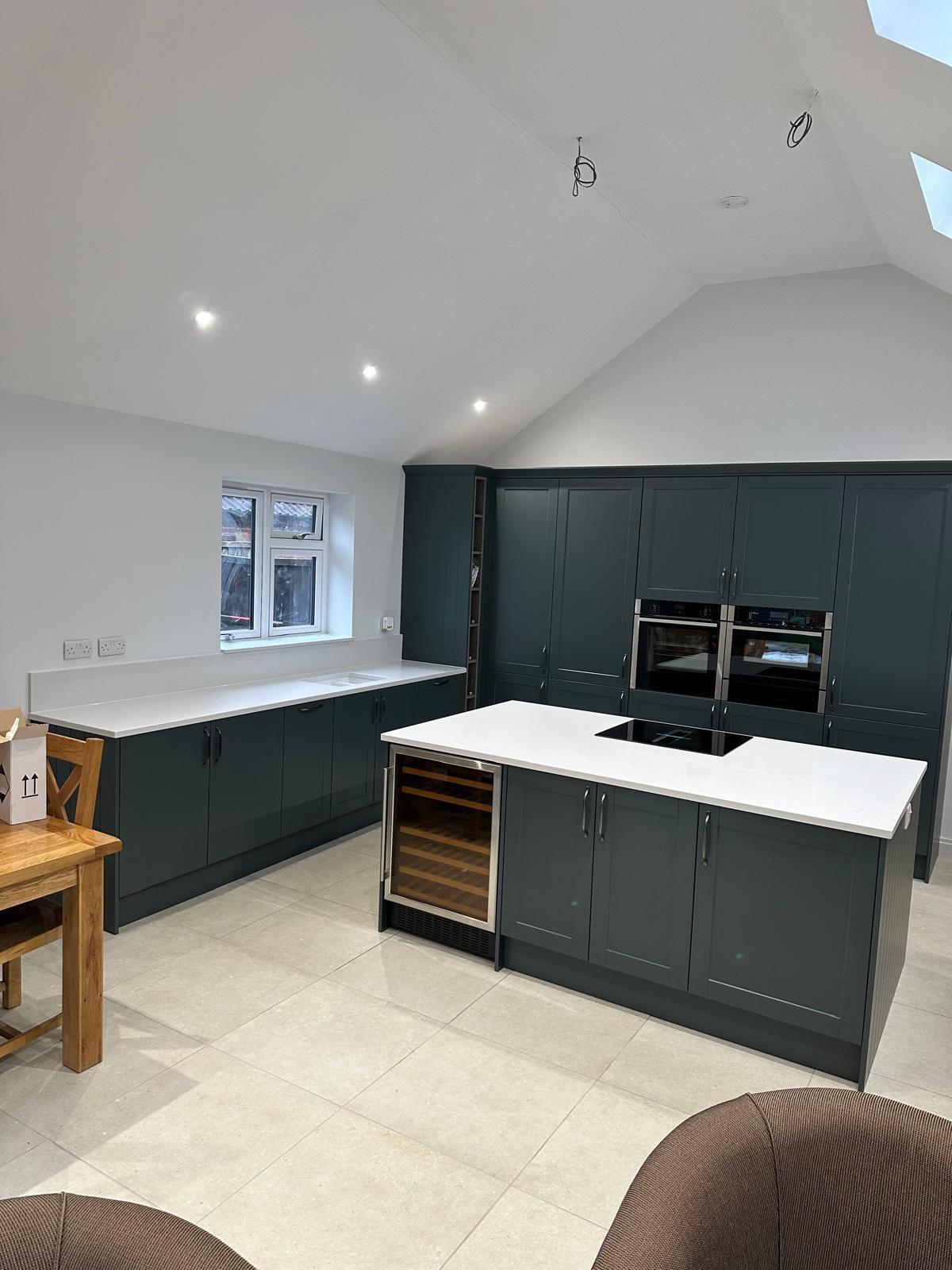
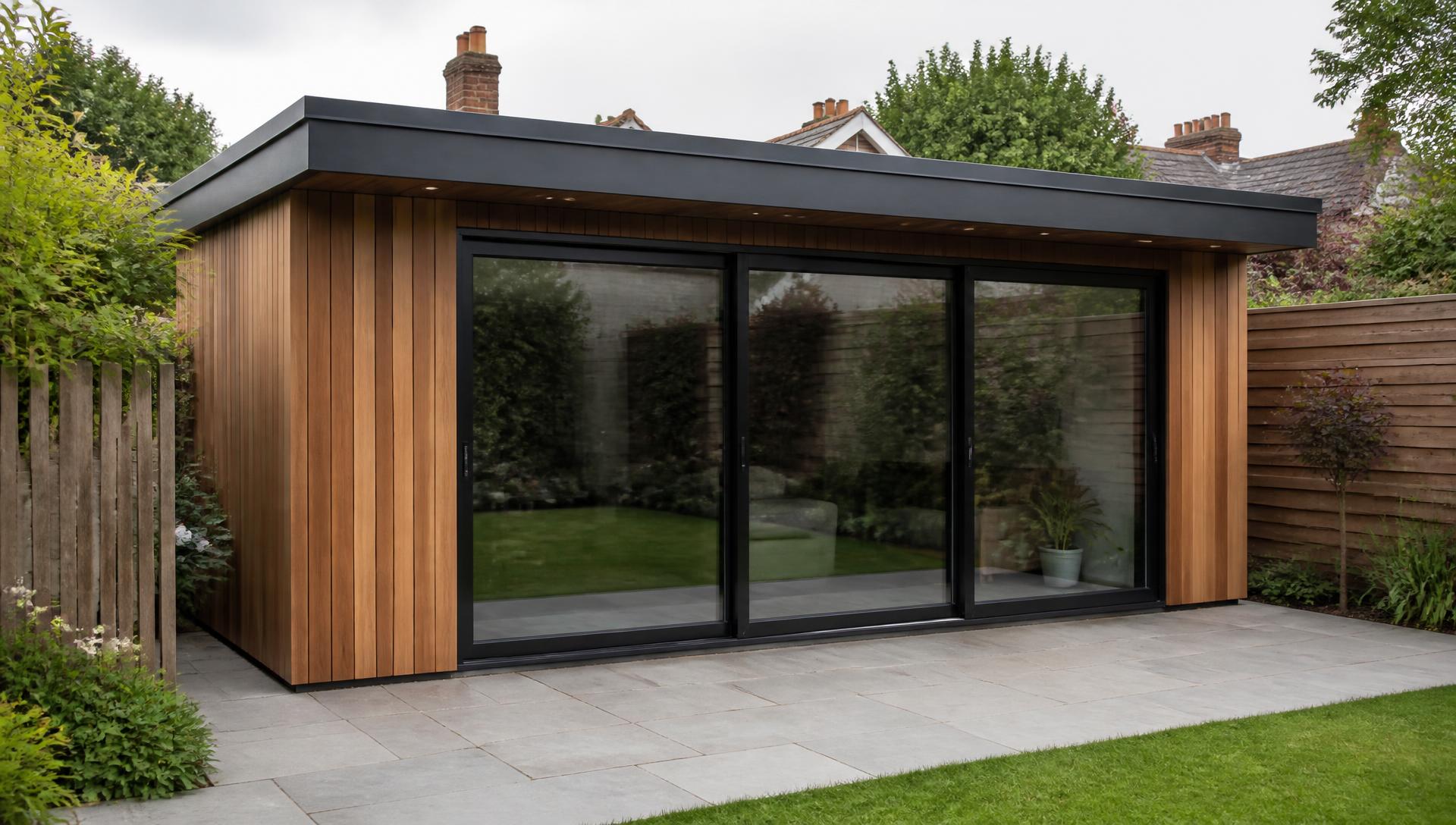
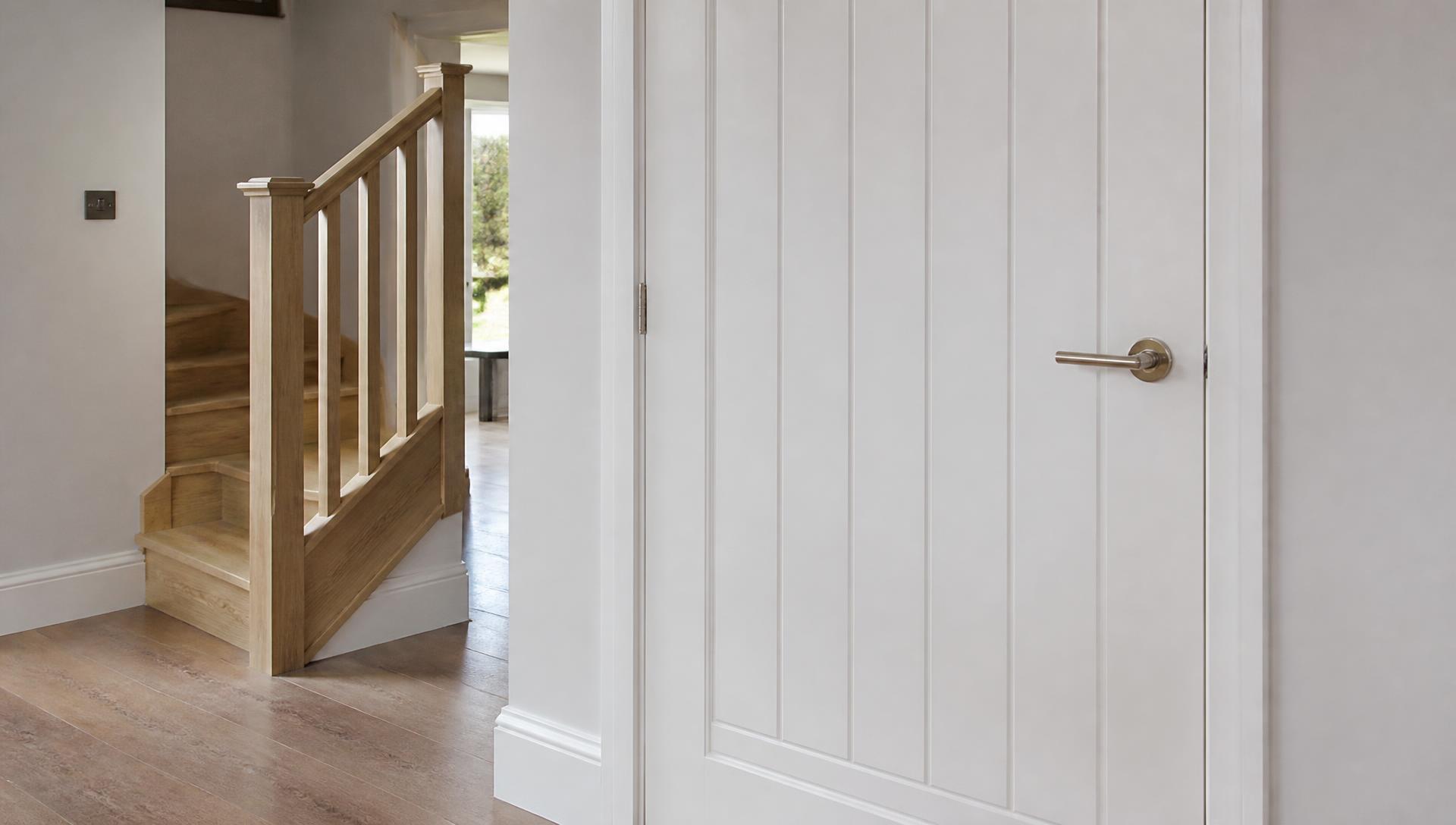
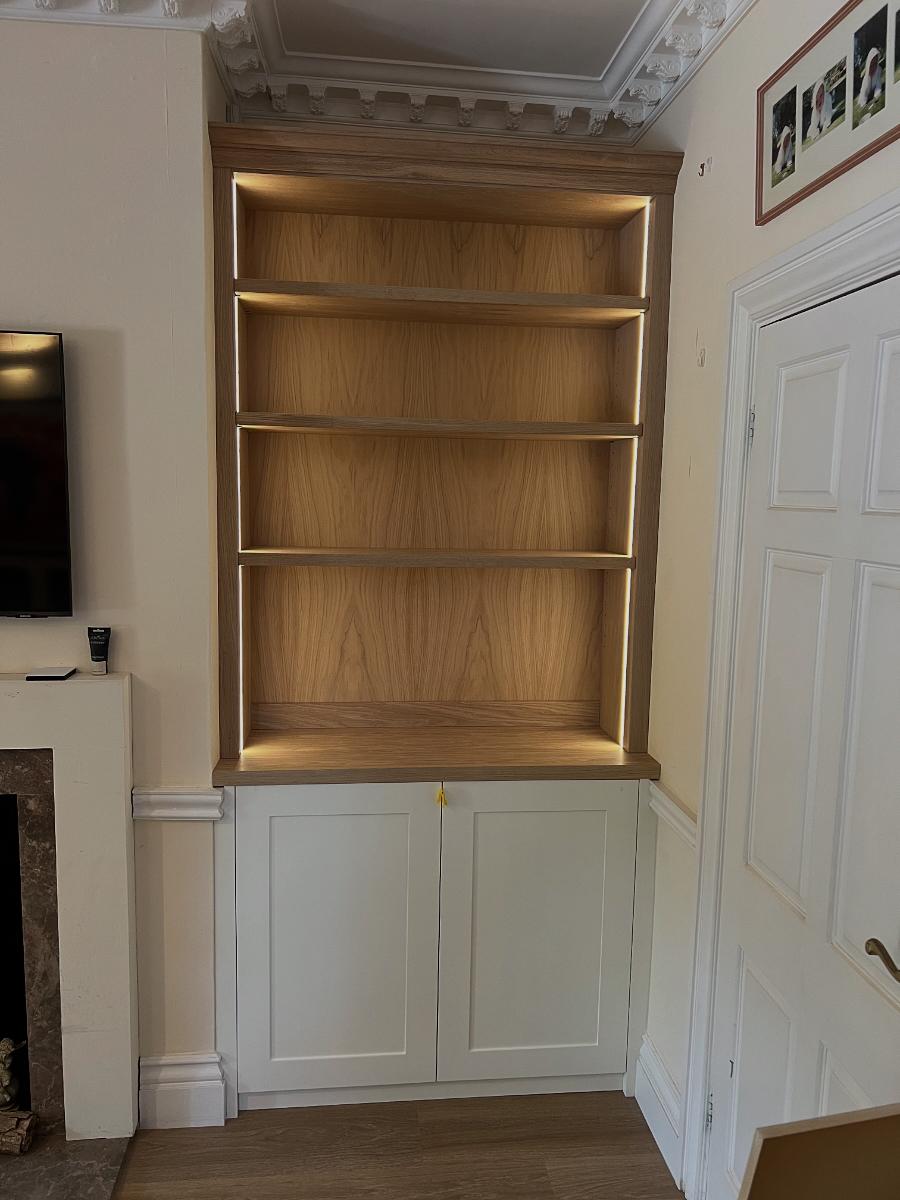
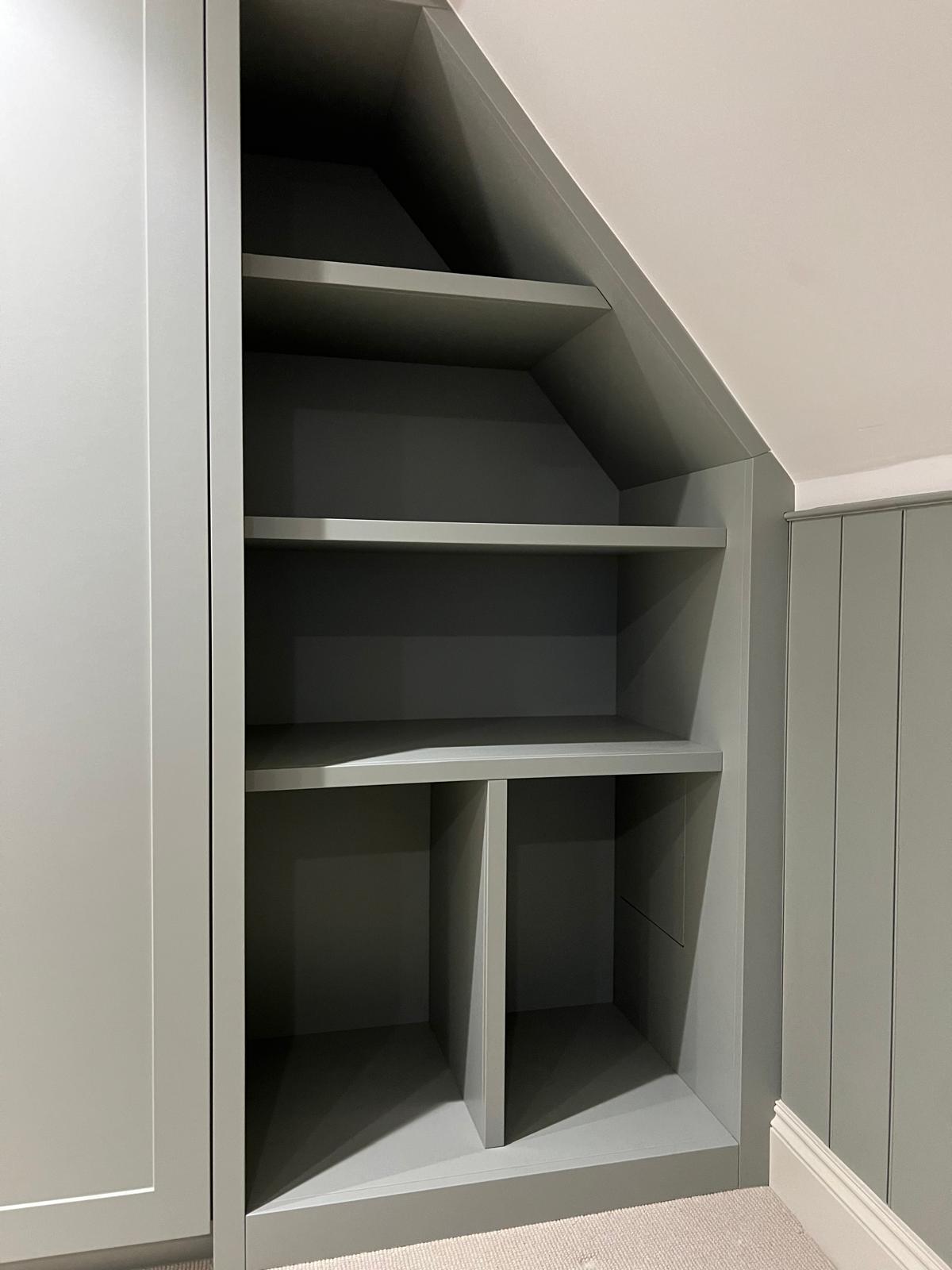
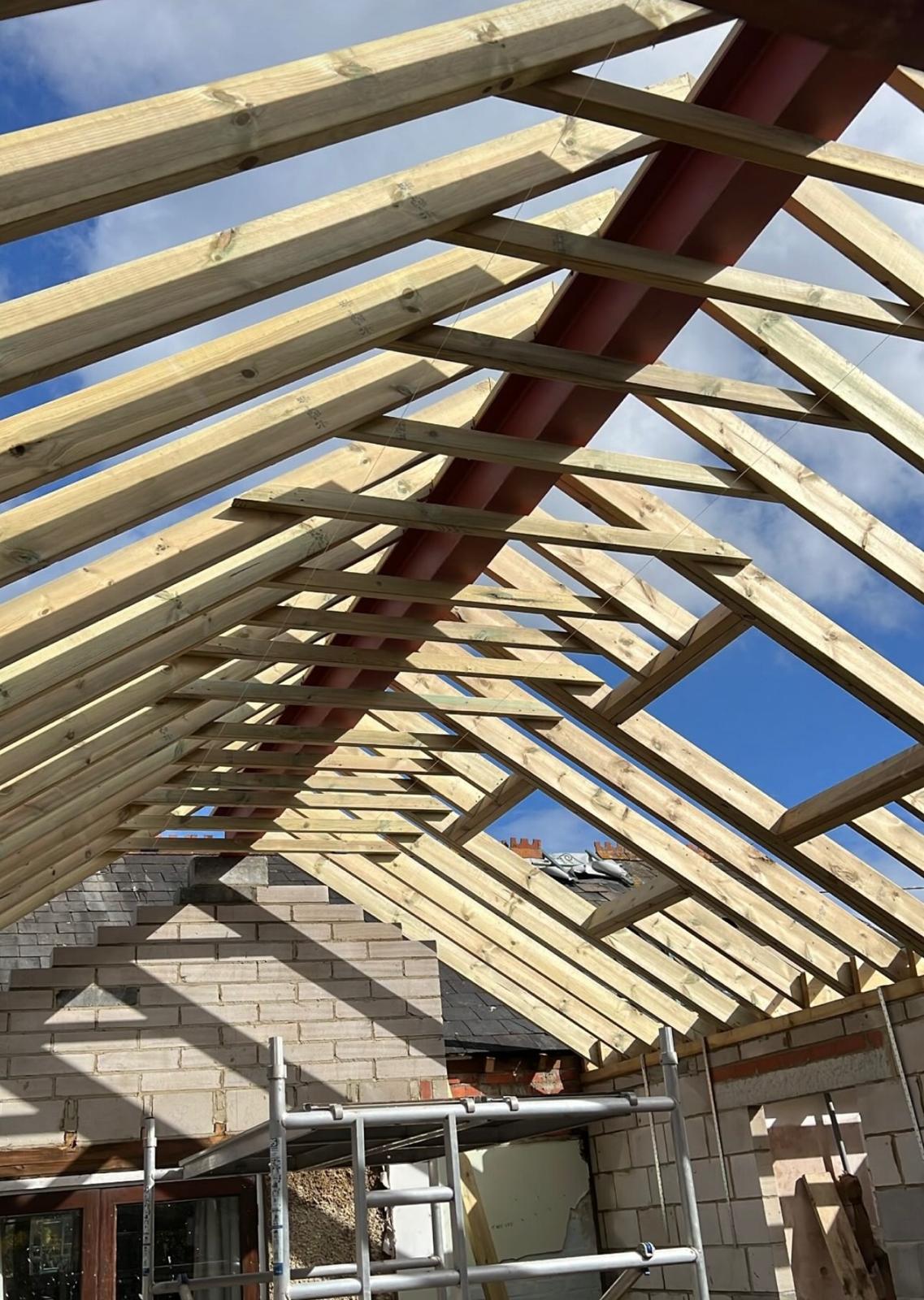
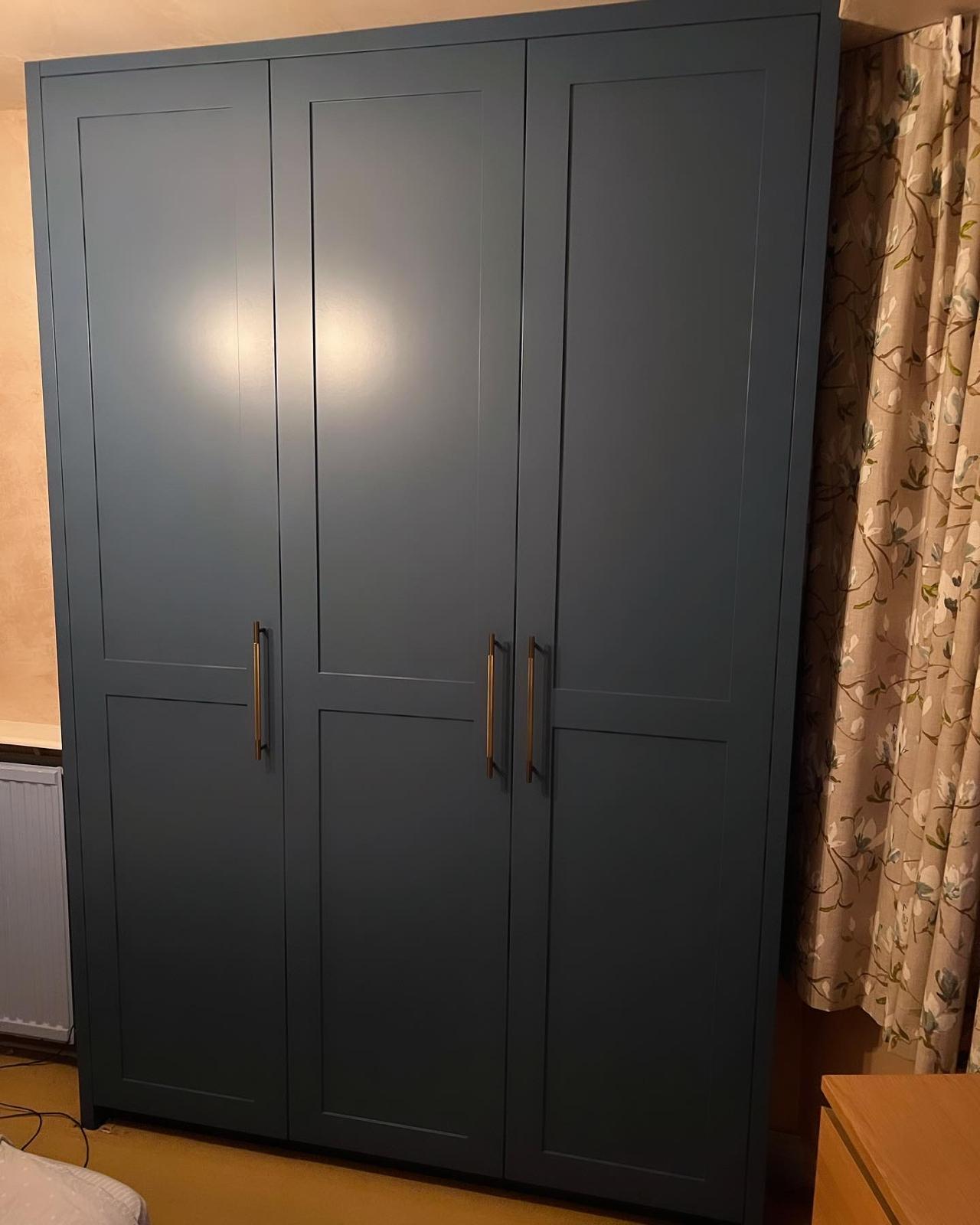
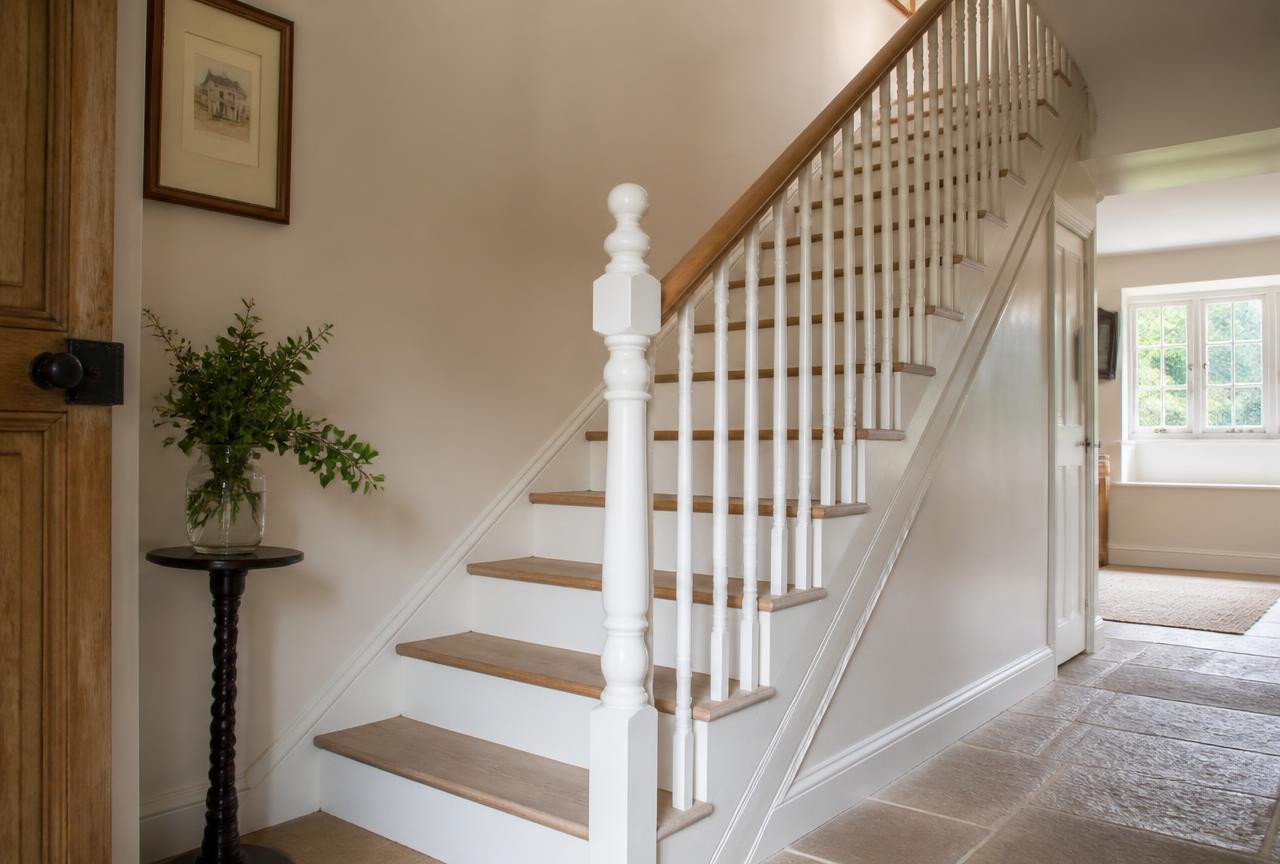
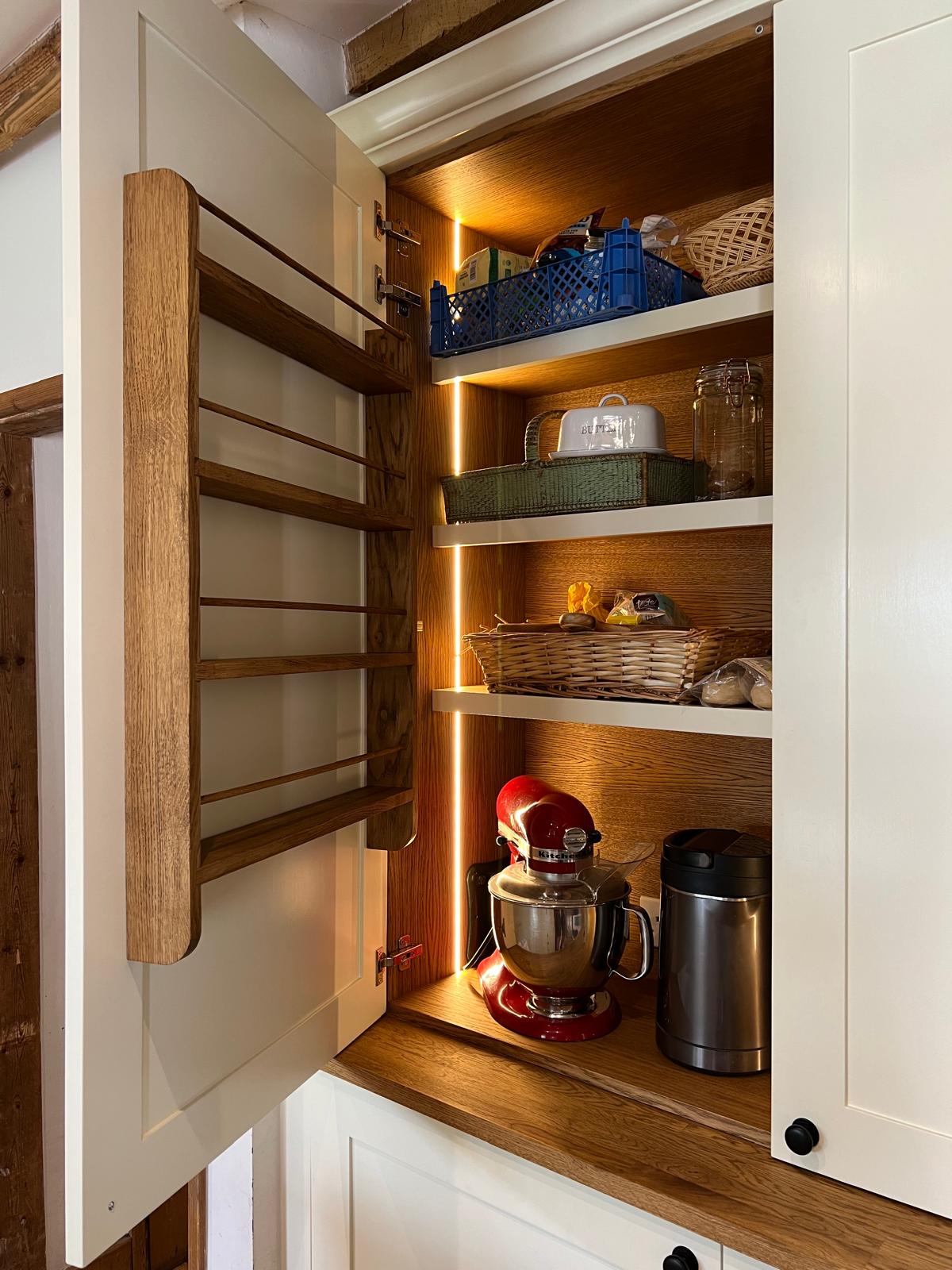
The period cottages here share a lot in common with the older parts of Wallingford across the river: low ceilings, uneven floors and walls that were never built to modern tolerances, but Crowmarsh has fewer of the town-centre access problems that come with narrow streets and resident parking, which in practice makes larger fitted furniture jobs easier to deliver and install. What it does have is a genuine spread of extension work, many of these cottages have had kitchens, garden rooms or loft conversions added over the years, and matching new joinery convincingly to what already exists is a regular part of the job.
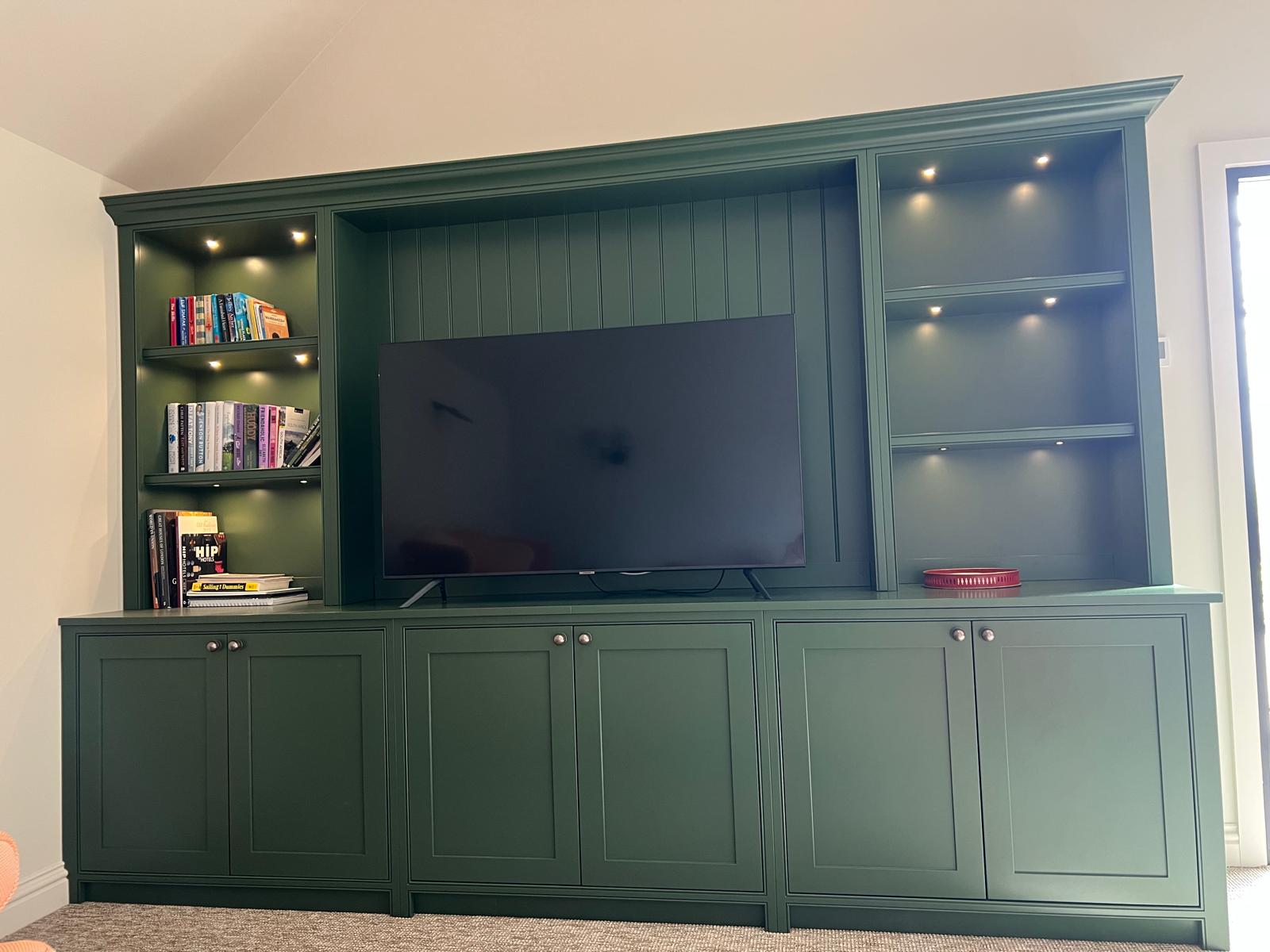
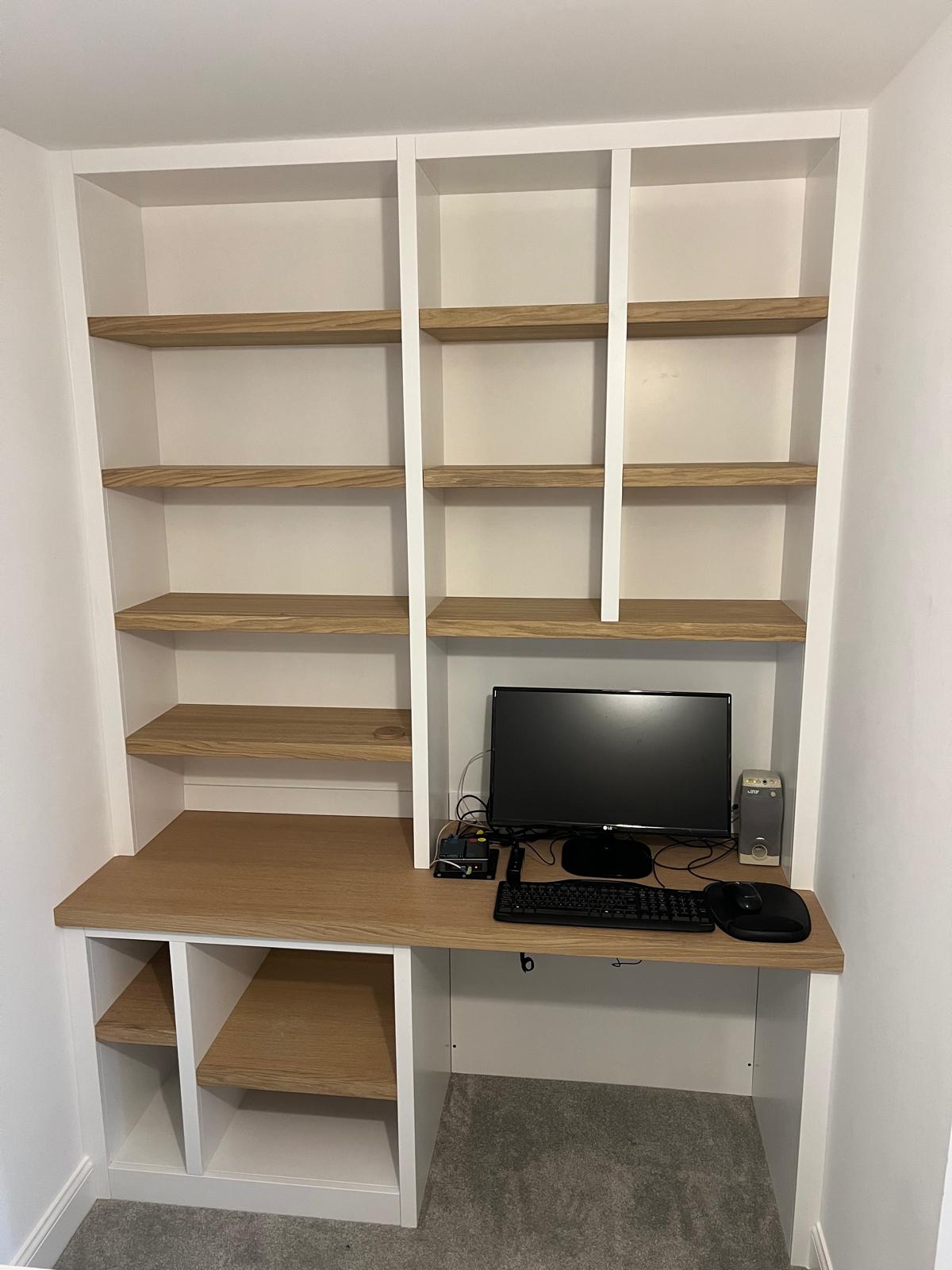
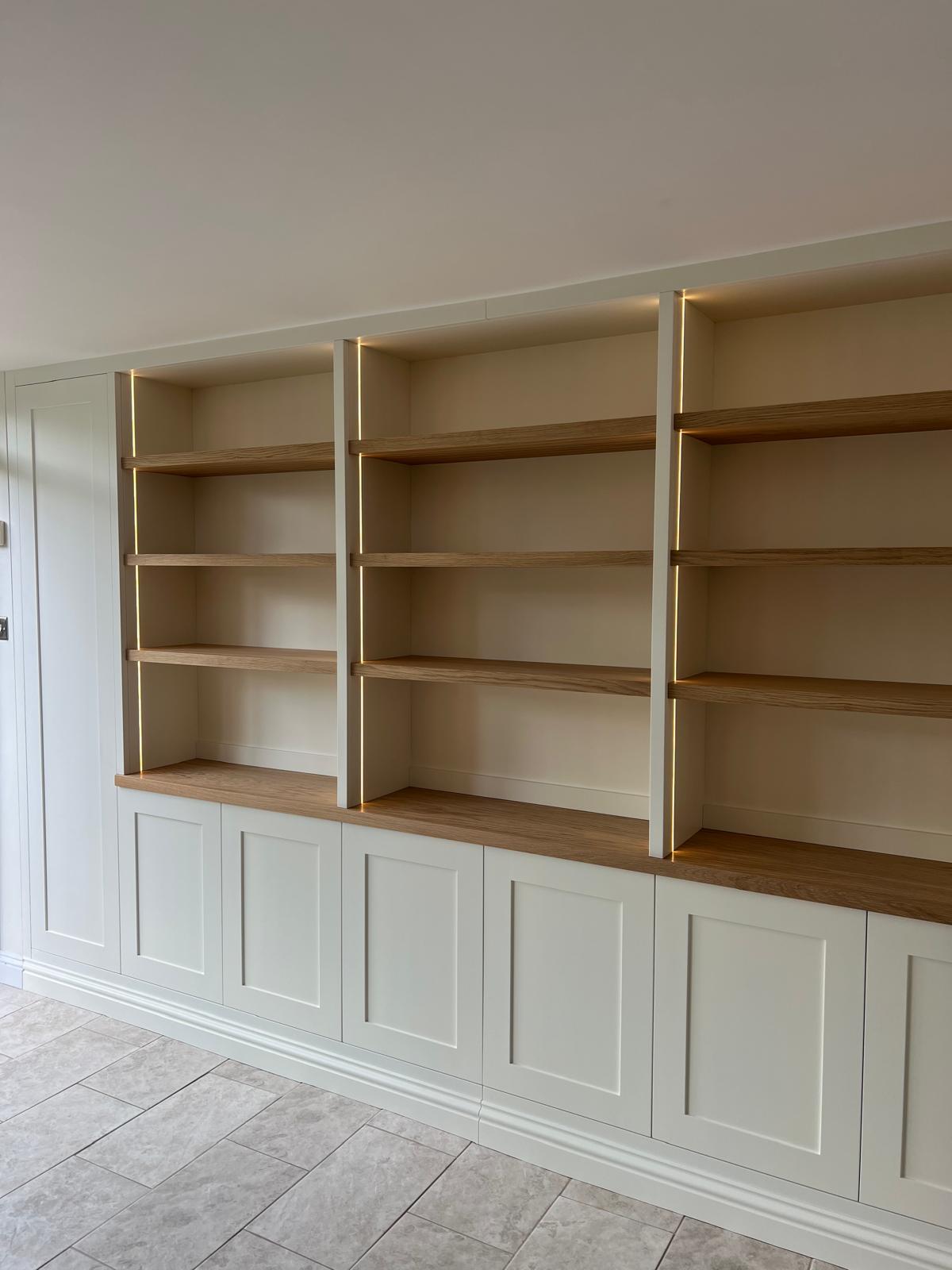
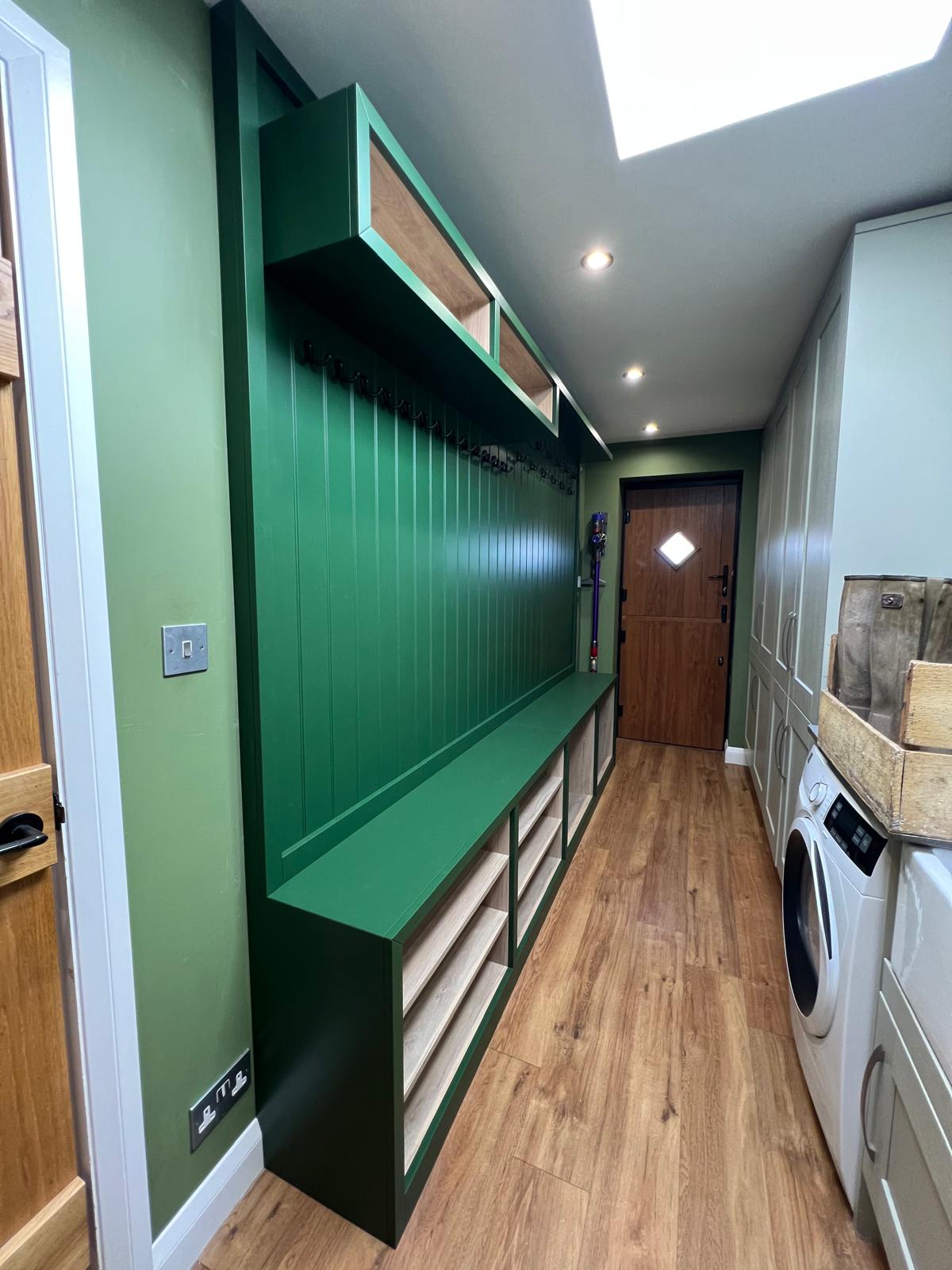
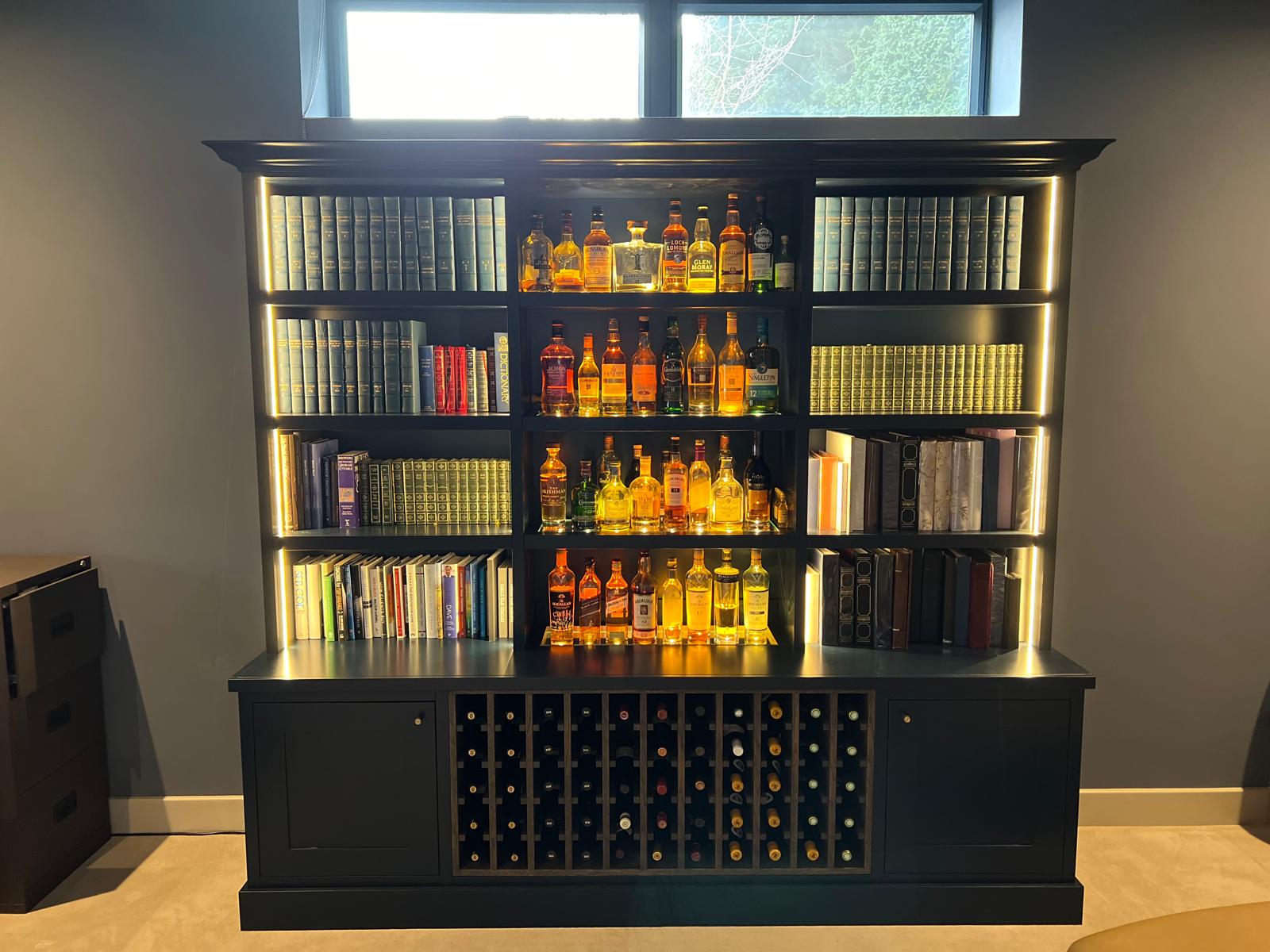
The newer housing closer to the bypass and around Manor Farm Close is more conventional to work in structurally, but the demand there tends to be different: home offices for people who work from home several days a week and commute into Reading or London the rest, media walls for larger open-plan living spaces, and utility storage for households with an active outdoor lifestyle given how close the village sits to the river paths and the Chilterns.
At around twelve minutes from the Ipsden workshop, Crowmarsh Gifford sits comfortably within our core working area, and its position right on the Wallingford boundary means we are often working on both sides of the river in the same week.